David Commits Adultery – Youth STS Lesson 240
“Can one go upon hot coals, and his feet not be burned? So he that goeth in to his neighbour’s wife; whosoever toucheth her shall not be innocent”
Proverbs 6:28,29 (Memory Verse)
Introduction
David enjoyed divine privileges, but he had a lot of challenges on his way to the throne. He was always praying and engaging in battles against foes. Now, after a series of battles, he probably felt he should rest. Unfortunately, during his unguarded moment, he fell into the sin of adultery. “And David sent messengers, and took her; and she came in unto him, and he lay with her; for she was purified from her uncleanness: and she returned unto her house” (2 Samuel 11:4).
Adultery is a sinful act common among married people. When a married person engages in marital affairs with someone who is not his or her husband or wife, it is called adultery (Matthew 5:32; 19:9). The propelling force into the adulterous act is fleshly lust, which is also common among young people. A similar act to adultery among young people is fornication. If lust is not properly dealt with, it leads to fornication. “Then when lust hath conceived, it bringeth forth sin: and sin, when it is finished, bringeth forth death” (James 1:15).
Question 1: What is adultery?
CAUSES OF IMMORAL ACTS
2 Samuel 11:1-4; Genesis 34:1; 1 Corinthians 5:1-13
“And it came to pass, after the year was expired, at the time when kings go forth to battle, that David sent Joab, and his servants with him, and all Israel; and they destroyed the children of Ammon, and besieged Rabbah. But David tarried still at Jerusalem” (2 Samuel 11:1). The Scripture says that this period was “at the time when kings go forth to battle”. This refers to the spring season, when the weather was neither too cold nor too hot for military operations. It was strategic for kings to use this period to plan and execute their offensive attacks.
David sent Joab, his servants and all Israel to battle while he stayed at Jerusalem. His men were engaged in the battle while he was doing a bit of sightseeing and taking a leisure walk when “it came to pass in an eveningtide, that David arose from off his bed, and walked upon the roof of the king’s house: and from the roof he saw a woman washing herself…” (2 Samuel 11:2).
Question 2: (a) What is the danger associated with idleness? (b) Why do some youths fall into immorality?
There is a general adage that says an idle mind is the devil’s workshop. Idleness is a state of inactivity. When young people become idle, the enemy seeks to engage their minds in things that are sinful and destructive. This is what played out in the case of David.
It was natural for anyone on a high place to see someone bathing in a place that may not have had a cover, as was common in the building style of those days. So it was not a case of seduction. The first glance was not the problem, since he could have turned his eyes away, but he kept looking at the appealing nudity, and David’s emotion overruled his will and sense of judgment. “And David sent and enquired after the woman. And one said, Is not this Bathsheba, the daughter of Eliam, the wife of Uriah the Hittite? And David sent messengers, and took her; and she came in unto him, and he lay with her; for she was purified from her uncleanness: and she returned unto her house” (verses 3, 4). He fell into this sin because he could not abstain from the appearance of evil.
Many young people fall into immoral acts because of idleness, unguarded visitation, uncontrolled feelings towards the opposite gender, wrong association and ungodly counsel, pornography, careless talk with the opposite gender, etc. To save themselves from this, youths should avoid anything that will entice the opposite gender. They should avoid acts that are provocative to the mind of the opposite gender. They should control their eyes and desist from meditating on evil thoughts to avoid falling into the sin of immorality.
CONSEQUENCES OF IMMORAL ACT
2 Samuel 11:5-27; 2 Samuel 13:15-29
“And the woman conceived, and sent and told David, and said, I am with child” (2 Samuel 11:5). Among the consequences of immoral acts is unwanted pregnancy. David, in his evil plan to cover up his sinful act, played a lot of tricks. First, he tried to hide the unwanted pregnancy. Second, he pretended to be loving and caring to Uriah. Third, he applied worldly wisdom by making Uriah drunk to achieve the aim of making him have a sexual relationship with his wife. Fourth, he wrote a letter with instructions that led to the killing of Uriah. The consequence of covering up one’s sinful act is that it will lead to many lies and other evils. The antidote to avoid covering up sin with more sins is to confess and forsake them.
Question 3: What are the consequences of immorality?
The following are the consequences of sins and immoral acts:
- It attracts God’s displeasure (2 Samuel 11:27).
- It leads to destruction, loss of lives, dignity and honour (2 Samuel 13:18, 19).
- It attracts curses on the perpetrators (2 Samuel 12:10).
- It gives opportunity to God’s enemies to blaspheme (2 Samuel 12:14; Romans 2:24).
- Incurable diseases such as sexually transmitted diseases (STDs) and many other ailments (Proverbs 6:32,33; 2 Samuel 12:15).
- Unanswered prayers (2 Samuel 12:16; Isaiah 59:1).
- It brings shame, reproach, and long-lasting guilt and condemnation (Proverbs 6:33).
- Loss of a promising career.
- Eternal condemnation in hell fire if the sin is not repented of.
CURE FOR IMMORALITY
2 Samuel 12:13, 24-31; Psalm 51; Isaiah 55:6, 7; Proverbs 28:13
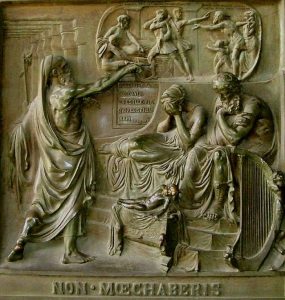
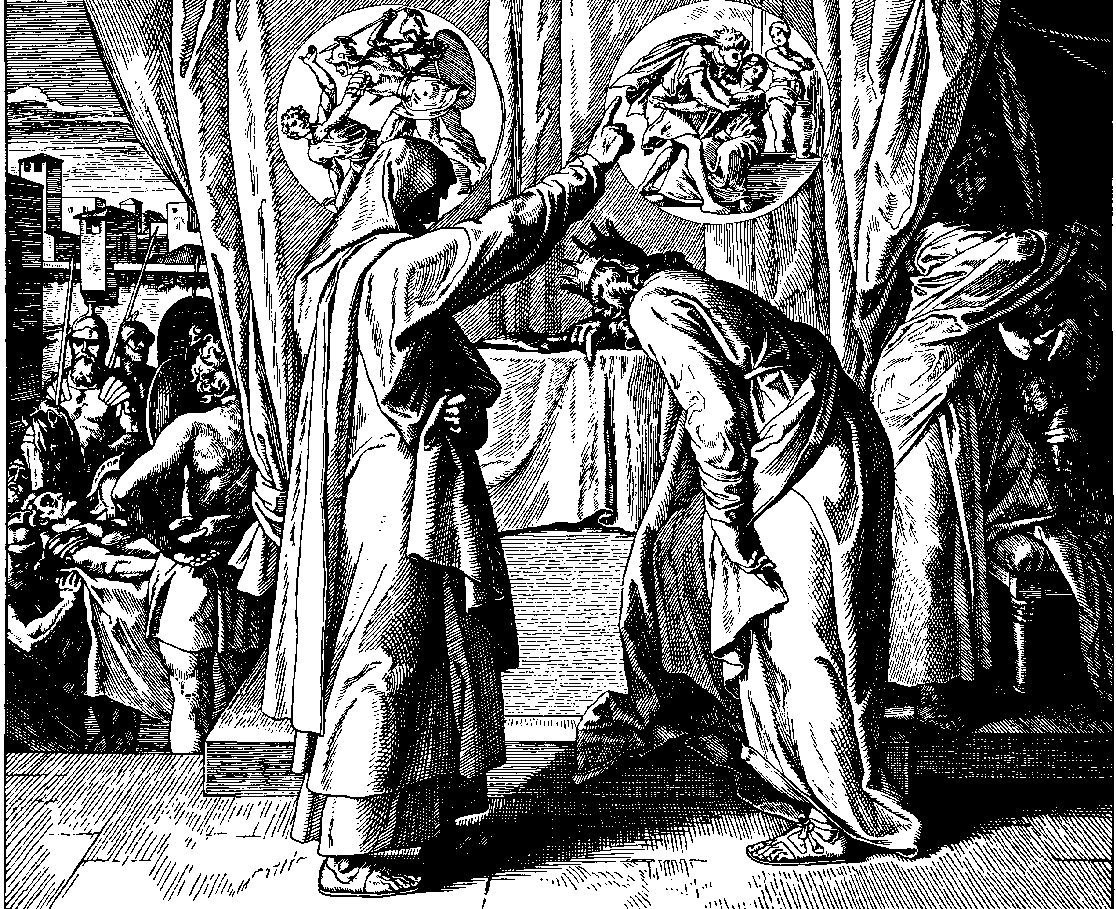
After the prophet Nathan had confronted David with his sin, “David said unto Nathan, I have sinned against the LORD. And Nathan said unto David, The LORD also hath put away thy sin; thou shalt not die” (verse 13). He was sober and began to seek the Lord in a prayer of repentance. His prayer was recorded in Psalm 51. It is a very deep prayer model for a repentant soul. God forgave him, as confirmed by the prophet.
“Repent ye therefore, and be converted, that your sins may be blotted out, when the times of refreshing shall come from the presence of the Lord” (Acts 3:19). When a sinner realises his sinful state and repents, God forgives and forgets. After repentance, there must be a separation from the sin partner and a determination not to continue. For conscience sake, report yourself to your leader. This act of restitution frees your conscience from guilt, and the sense of accountability gives you the backbone to be free. “Flee fornication. Every sin that a man doeth is without the body; but he that committeth fornication sinneth against his own body” (1 Corinthians 6:18). Also, you have to forgive yourself.