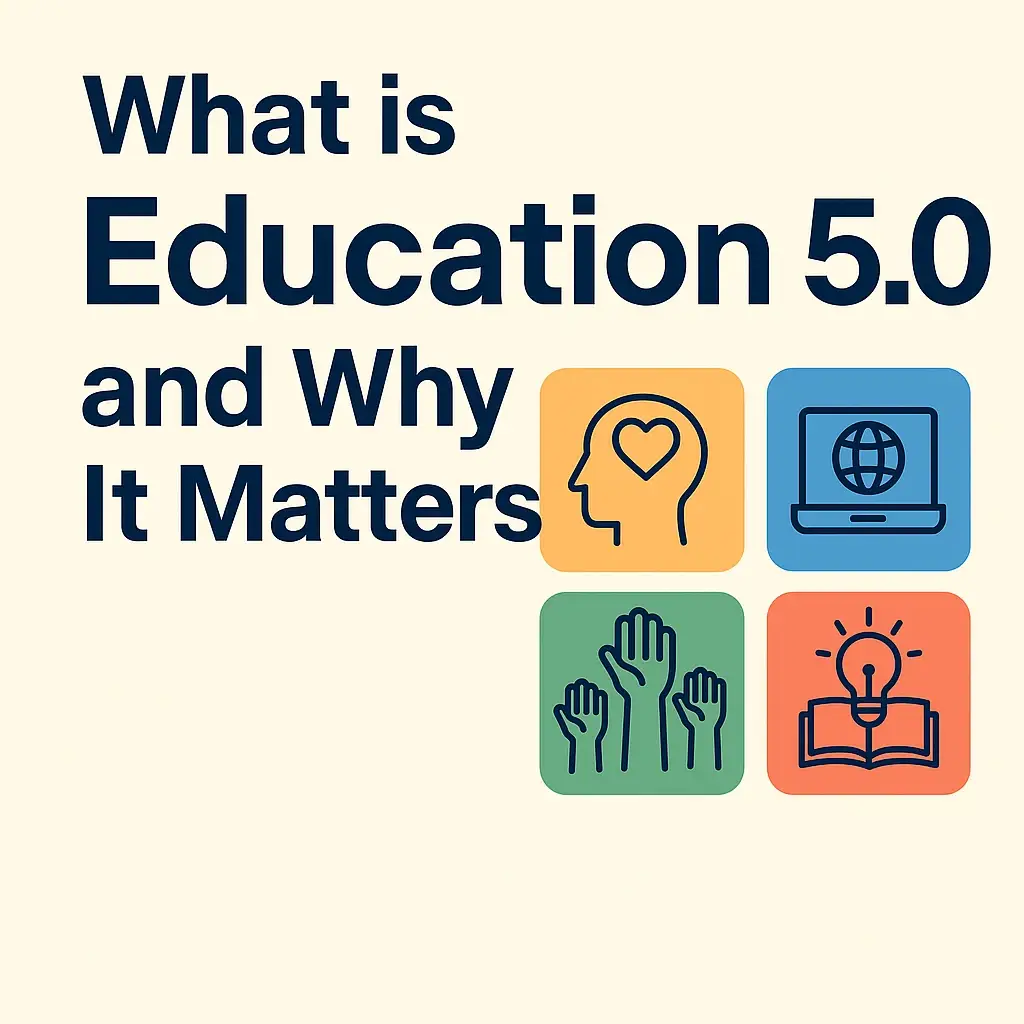
THE FUTURE OF K-12 CLASSROOM
The Future of K–12 Classrooms
Introduction
The traditional K–12 classroom is undergoing a profound transformation. Driven by technological innovation and new pedagogical insights, future classrooms will be more flexible, inclusive, and personalized.
Core Trends Shaping the Future of K–12 Education
- Personalized Learning Pathways
- Flexible, Hybrid Classrooms
- Project-Based, Interdisciplinary Learning
- Immersive and Digital Technologies
- Equity, Inclusion, and Accessibility
Changing Roles of Teachers and Students
Teachers are becoming guides and facilitators, while students are co-creators of their learning. The classroom becomes a place of shared inquiry, problem-solving, and self-directed growth.
New Metrics of Success
Success in the future classroom is not only measured by grades but also through portfolios, performance-based tasks, and emotional and collaborative growth.
Barriers and Considerations
- Teacher training and ongoing development
- Equitable access to digital tools
- Curriculum reform aligned with real-world needs
Conclusion
The classroom of the future is dynamic and student-centered. It empowers students to think critically, collaborate globally, and innovate boldly. The future of education begins with bold ideas and compassionate implementation.