How Education 5.0 Is Changing K–12 Classrooms in 2025
- From Industry 4.0 to Education 5.0
As the world enters the fifth industrial revolution—Industry 5.0—education is undergoing a parallel transformation. Welcome to Education 5.0, a holistic and human-centered learning movement that blends cutting-edge technology with emotional intelligence, collaboration, ethics, and lifelong learning. In 2025, this approach is fundamentally reshaping how K–12 classrooms function, making them more personalized, equitable, and future-ready.
What is Education 5.0?
Education 5.0 goes beyond the focus on automation and efficiency seen in Education 4.0. It aims to nurture well-rounded learners by integrating:
- Emotional intelligence and empathy
- Digital and technological fluency
- Creativity and critical thinking
- Sustainability and ethics
- Inclusive, learner-centered pedagogy
The goal is to create compassionate innovators who can adapt in a rapidly changing world—not just tech-savvy workers.
Key Ways Education 5.0 Is Transforming K–12 Classrooms
1. Human-Centered Learning Environments
Education 5.0 prioritizes students’ mental, emotional, and social development as much as academic success.
- Classrooms are more collaborative and project-based.
- Teachers act as facilitators and emotional guides.
- Schools focus on student well-being, inclusion, and purpose-driven learning.
2. AI Integration in Teaching and Assessment
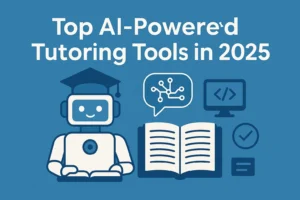
Artificial intelligence is seamlessly integrated into instruction—not to replace teachers, but to enhance their capabilities.
- AI-powered platforms like Khanmigo, SAILS, and Century Tech adapt content to each student’s level.
- Predictive analytics identify struggling students before issues escalate.
- Smart grading tools reduce administrative burden on educators.
3. Digital Equity & Access for All
Education 5.0 emphasizes inclusivity and digital fairness:
- Governments and schools provide students with devices and internet access.
- Cloud-based learning tools allow anytime, anywhere education.
- Support needs students receive tailored help through assistive technology.
4. Emotional Intelligence & SEL Curriculum
Social and Emotional Learning (SEL) is now a core part of the K–12 curriculum under Education 5.0:
- Students learn emotional regulation, empathy, resilience, and conflict resolution.
- Teachers receive training in SEL strategies and trauma-informed instruction.
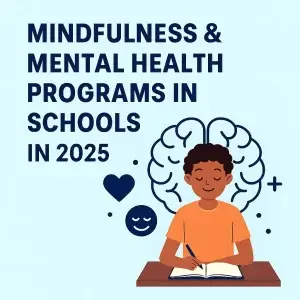
- Mindfulness, journaling, and well-being check-ins are embedded into the school day.
5. Sustainability and Ethical Thinking
Students are encouraged to become conscious global citizens:
- Schools integrate topics like climate change, global justice, and sustainable development goals (SDGs).
- Class projects often focus on local community challenges.
- Ethical discussions about AI, data privacy, and online behavior are part of digital literacy education.
The Role of Teachers in Education 5.0
In this new paradigm, teachers:
- Focus more on mentoring and less on content delivery.
- Use AI tools to customize lesson plans and monitor learning gaps.
- Facilitate discussions on ethics, emotional intelligence, and social issues.
- Act as guides and collaborators in a co-learning journey.
Challenges in Implementing Education 5.0
Despite its promise, Education 5.0 faces real challenges:
- Teacher training gaps in AI and SEL tools.
- Limited infrastructure in underserved areas.
- Resistance to change in traditional school systems.
- Data privacy concerns with EdTech platforms.
These issues require continued investment, policy reform, and community engagement.
A Future-Ready Vision for K–12 Education
Education 5.0 is more than a trend—it’s a movement that’s redefining the purpose of schooling in 2025. By centering learning on human values, personalized growth, and digital empowerment, it prepares K–12 students not only for careers but for life. Schools that embrace this vision are cultivating the next generation of innovators, empathizers, and responsible global citizens.